
How Insurance Companies Evaluate Spinal Cord Injury Claims in Tennessee
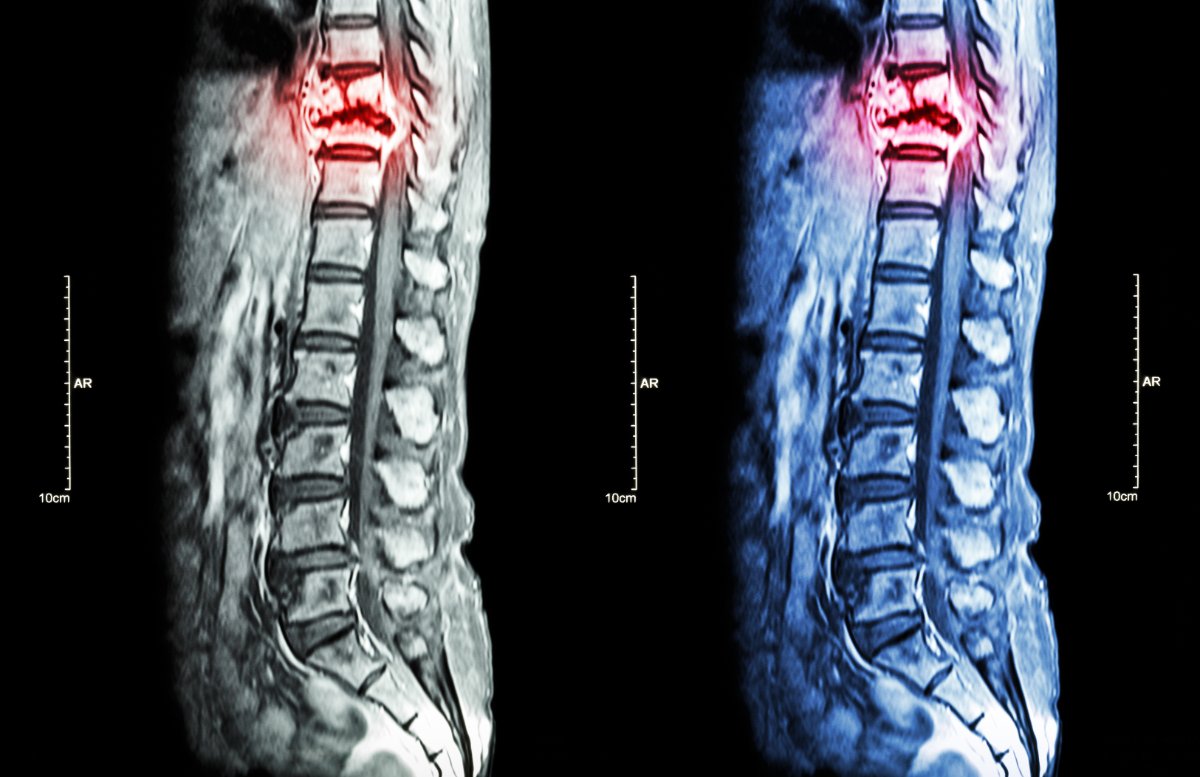 A spinal cord injury is one of the most life-altering events a person can experience, and the insurance company’s evaluation of your claim can determine whether your family is able to cover a lifetime of care.
Nationally, roughly 18,000 new traumatic spinal cord injuries occur each year, according to the National Spinal Cord Injury Statistical Center. For an injured person in Chattanooga, understanding how adjusters assign a number to these claims is the first step toward determining whether an offer is fair.
What insurers weigh when valuing a claim
Insurance companies evaluate spinal cord injury claims by examining the severity of the injury, the projected lifetime costs, liability issues, and any legal factors that may affect the amount ultimately paid.
Severity and level of the injury
The single biggest factor is the injury itself. Adjusters look closely at two things: whether the injury is complete (no sensory or motor function preserved in the sacral segments S4–S5) or incomplete, and where the spinal cord is injured.
Injuries higher on the cord tend to affect more of the body. About 60% of recent spinal cord injuries result in tetraplegia, while lower injuries often cause paraplegia. Treating physicians frequently grade the injury using the ASIA Impairment Scale, which describes how much motor and sensory function remains, and adjusters lean heavily on that grade.
The higher and more complete the injury, the greater the expected lifetime needs and the higher the claim’s value.
The medical record and prognosis
Insurers build their valuation around the documentation, including, but not limited to:
- Imaging and surgical reports
- Your treating physician’s prognosis and work restrictions
- A life-care plan projecting future treatment and equipment
- Rehabilitation history, often through programs such as Siskin Hospital’s spinal cord injury program in Chattanooga
Adjusters also look hard for any pre-existing condition or prior treatment that can be used to argue your symptoms aren’t entirely related to the incident, which is why thorough, consistent records matter so much.
Insurers also evaluate whether the injured person has followed recommended treatment and rehabilitation plans. Gaps in care or missed appointments are sometimes cited as evidence that the injury is less severe than claimed, even when there are legitimate reasons for treatment interruptions.
Lifetime costs and lost earning capacity
Spinal cord injuries are expensive in ways that stretch across decades. The National Spinal Cord Injury Statistical Center reports that average lifetime costs directly attributable to a spinal cord injury can reach into the millions of dollars for the most severe injuries, and that indirect losses such as lost wages, fringe benefits, and lost productivity can add substantial additional costs.
A complete evaluation accounts for:
- Past and future medical care and surgeries;
- Assistive equipment, home modifications, and accessible transportation;
- Attendant or in-home care; and
- Lost wages and reduced future earning capacity.
The average age at injury is now in the mid-40s, which means many injured people face decades of these expenses ahead of them.
How Tennessee law shapes the payout
In Tennessee, insurers must also consider state laws governing damages, fault, and insurance coverage when determining a claim’s value.
The cap on non-economic damages
Tennessee commonly caps non-economic damages (pain, suffering, and loss of enjoyment of life) at $750,000 per injured plaintiff, including associated derivative claims. For catastrophic injuries, the cap rises to $1,000,000, and Tennessee law specifically defines a spinal cord injury resulting in paraplegia or quadriplegia as catastrophic.
Importantly, this cap applies only to non-economic damages. Your economic damages (medical bills, future care, and lost earnings) aren’t capped, and for a severe spinal cord injury, those numbers are usually the largest part of the claim. The cap also doesn’t apply in certain situations, such as where the defendant’s substantially impairing intoxication caused the injury or the defendant specifically intended to inflict serious physical injury.
Comparative fault
Tennessee follows a modified comparative fault rule.
You can recover damages only if you’re found less than 50% at fault, and your award is reduced by your share of responsibility. Adjusters often try to shift blame onto the injured person to reduce the payout, so how fault is investigated and presented matters greatly.
If the injury happened at work, you may have both a workers’ compensation claim and a separate third-party claim, which changes the full picture of what you’re owed.
Liability and available insurance
Even a clearly valued claim is shaped by who’s responsible and how much coverage exists. Insurers weigh the strength of the evidence of fault, whether more than one party may share responsibility, and the limits of the policies at play.
In some cases, coverage issues become just as important as liability itself. Adjusters may examine umbrella policies, uninsured or underinsured motorist coverage, employer policies, or other sources of recovery that could affect the total compensation available to an injured person.
In serious spinal cord injury cases, identifying every potentially liable party and every applicable insurance policy can be the difference between an offer that covers a fraction of the losses and one that reflects the true cost of the injury.
Why a first offer is rarely the full story
The adjuster reviewing your file works for a company whose profitability depends on paying out less than it takes in. An early offer may not account for the decades of care a spinal cord injury demands, and once you accept and sign a release, you generally can’t go back for more if your condition worsens.
What turns a lifetime of needs into a documented demand is usually:
- An independent medical assessment of your prognosis
- A detailed life-care plan prepared by a qualified planner
- An economic analysis of lost earnings and future costs
The attorneys at Wagner Workers Compensation & Personal Injury Lawyers work with medical and economic professionals to calculate full lifetime damages in spinal cord injury cases, rather than accepting an insurer’s number at face value.
Have your claim evaluated independently
Before you trust an insurance company’s assessment of a lifelong injury, get an independent look at what your claim may actually be worth.
Wagner Workers Compensation & Personal Injury Lawyers has represented catastrophically injured people throughout Chattanooga, Hamilton County, Cleveland, TN, and North Georgia, and our team can review the medical evidence and the numbers behind any offer.
Contact Wagner Workers Compensation & Personal Injury Lawyers to schedule a free, no-pressure case review.

Patrick has been with Wagner Workers Compensation & Personal Injury Lawyers as a practicing attorney since 2017. As an associate with the firm, Pat has been primarily focused on litigation. Learn More